AT BEDTIME
List tomorrow's jobs
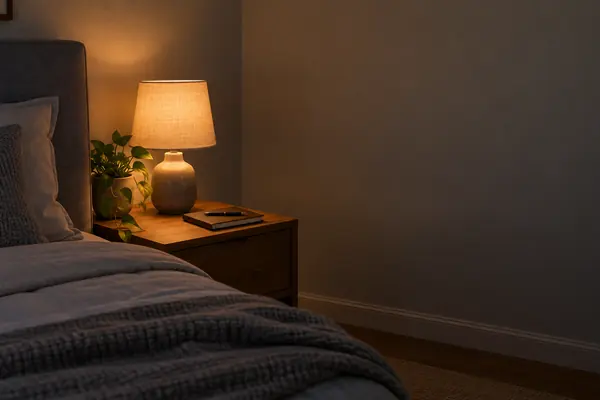
In a Baylor University sleep-lab study, people who spent five minutes writing a to-do list fell asleep faster than those who wrote about what they had already done.
See the numbers doodletodo
00WHAT THE RESEARCH SAYS
Tomorrow's jobs have a way of turning up at bedtime.
Two strands of research help make a to-do list work harder. One found that writing a specific list before bed helped people fall asleep sooner. The other shows why the times we pencil in for each job are usually too short.
Check your estimate01Principles
02THE SHORT ANSWER
Writing tasks down gets them out of your head.
Realistic times keep the list believable.
AT BEDTIME
In a Baylor University sleep-lab study, people who spent five minutes writing a to-do list fell asleep faster than those who wrote about what they had already done.
See the numbersBE SPECIFIC
The more specific the to-do list, the faster people fell asleep. Listing completed tasks in more detail showed the opposite trend.
How to write itTIME
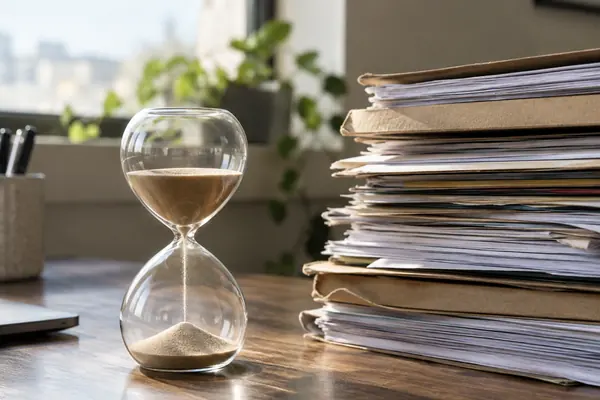
The planning fallacy: we underestimate how long our own tasks will take, even when similar tasks ran late before. Others' guesses about our tasks run longer.
Check an estimate03A QUICK ESTIMATE CHECK
In a 1994 study, 37 psychology students estimated how long their final-year thesis would take. Pick an estimate to compare it with what actually happened. The bar shows how close it came to reality.
Figures from Buehler, Griffin and Ross (1994), as summarised by reference sources on the planning fallacy.
04TWO NUMBERS WORTH KNOWING
One lab study of bedtime writing,
one classic study of time estimates.
≈ 16 vs 25 min
Average time to fall asleep, measured in the lab
57 healthy young adults wrote for five minutes before lights out. The to-do list group fell asleep in about 16 minutes on average; the completed-list group in about 25.
BEDTIME LIST · BAYLOR
34 vs 55 days
Thesis time: predicted vs actual
Students predicted 33.9 days on average and took 55.5. For everyday jobs like cleaning a flat or fixing a bike, a separate prediction of 5 days became 9.2.
PLANNING FALLACY
The Baylor researchers studied healthy students, not people with insomnia, and called for larger studies. The bedtime list was compared with writing about completed tasks, not with doing nothing.
05FOUR STEPS TO TRY
These follow the study's set-up and the planning fallacy research. None needs an app.
At bedtime, list everything you need to remember to do over the next few days, as in the Baylor study.
Specific lists went with falling asleep faster. 'Email the plumber about Tuesday' beats 'house stuff'.
Before estimating a job, recall how long a similar one really took last time, and plan from that.
Outside observers tend to overestimate rather than underestimate. A friend's guess at your task is a useful check.
06WHY THE LIST, NOT THE DIARY

The study started from a known problem: worry at bedtime, including about unfinished tasks, makes it harder to fall asleep, and earlier research had found that writing about worries can help. Scullin and colleagues asked whether it matters which way the writing faces: forward, to the jobs still to do, or back, to the jobs already done.
Forward won. The 57 volunteers, aged 18 to 30, were randomly assigned to one of the two lists, and the to-do group fell asleep significantly faster. The more specific the to-do list, the faster its writer fell asleep, while the opposite trend appeared for those writing about completed activities.
07QUESTIONS PEOPLE ASK
In one lab study of 57 healthy young adults, those who wrote a to-do list for five minutes fell asleep faster than those who wrote about completed tasks. It was one small study, and it did not include people with insomnia.
The researchers found the more specifically people wrote their to-do list, the faster they fell asleep. Their idea is that writing tasks down offloads them, rather than cycling through them in your head.
The tendency to underestimate how long our own future tasks will take, even when we know similar tasks have run over before. Outside observers tend to err the other way.
Research summaries suggest recalling how long a similar past task took, asking someone else to estimate, and making concrete plans for when and where you will do the work.
No. This page reports research findings for everyday readers. The study involved healthy students, so it says nothing about treating sleep problems.
With overnight polysomnography in a controlled sleep laboratory. The 57 healthy volunteers, aged 18 to 30, wrote for five minutes before lights out and were randomly assigned to list either the tasks they needed to do over the next few days or the tasks they had completed over the previous few days.
Not in this study. Writing about completed activities was the comparison, and those writers took longer to fall asleep; the more specifically they wrote about what they had done, the slower they tended to be. The authors suggest a very specific to-do list for five minutes at bedtime instead.
08Sources
ABOUT THIS NAME
doodletodo.com is part of the DoodleSale portfolio. It isn't in an auction right now, but you can ask about leasing it.